
The term ‘modern full-back’ is deceiving. We use it to describe Ashley Cole, Philip Lahm and co, not Oleksandr Zinchenko, Jules Koundé or Andy Robertson. The modern full-back was the first iteration to maraud forward on overlapping runs, becoming an essential player to attacks (on a consistent global scale, as opposed to how Carlos Alberto flirted with the idea within a back-five).
The problem with these players is they aren’t seen as versatile full-backs within today’s coaching sphere. Players like Ben Chilwell have been nurtured into unsustainable profiles. The modern game will see him as merely a wing-back, incapable of playing an inverted role.
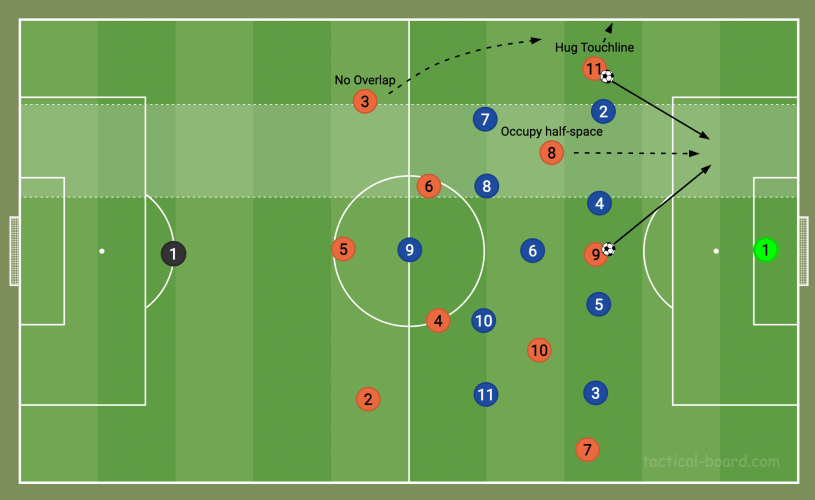
The new 3-box-3 formation (taken from Rinus Michels’ and Johan Cruyff’s philosophy of ‘total football’) sees full-backs invert, become auxiliary centre-backs, or even drop to the bench. This comes from the desire to use positional play. Wingers are wider than ever, stretching back lines while attacking No.8s exploit the half-spaces, making transitions simpler and less risky.
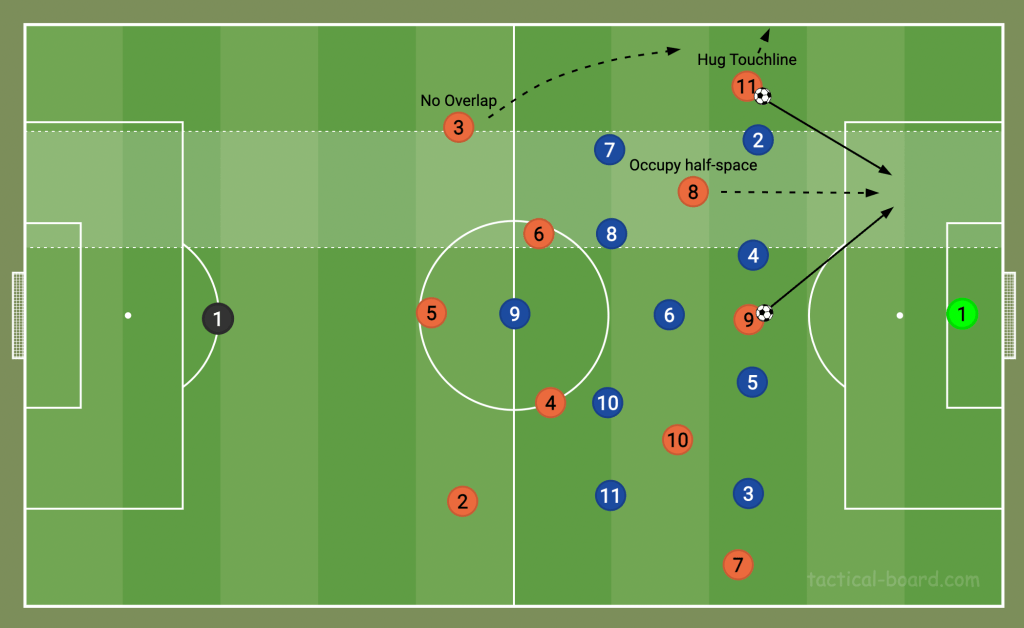
When Jürgen Klopp essentially used to deploy Robertson and Trent Alexander-Arnold as wing-backs, the ground they had to cover in transitions was far greater than any other player, and this was where they could get caught out.
Football is moving away from this problem, and using ‘touchline wingers’ again helps to pin opposing defences back in all attacking phases.
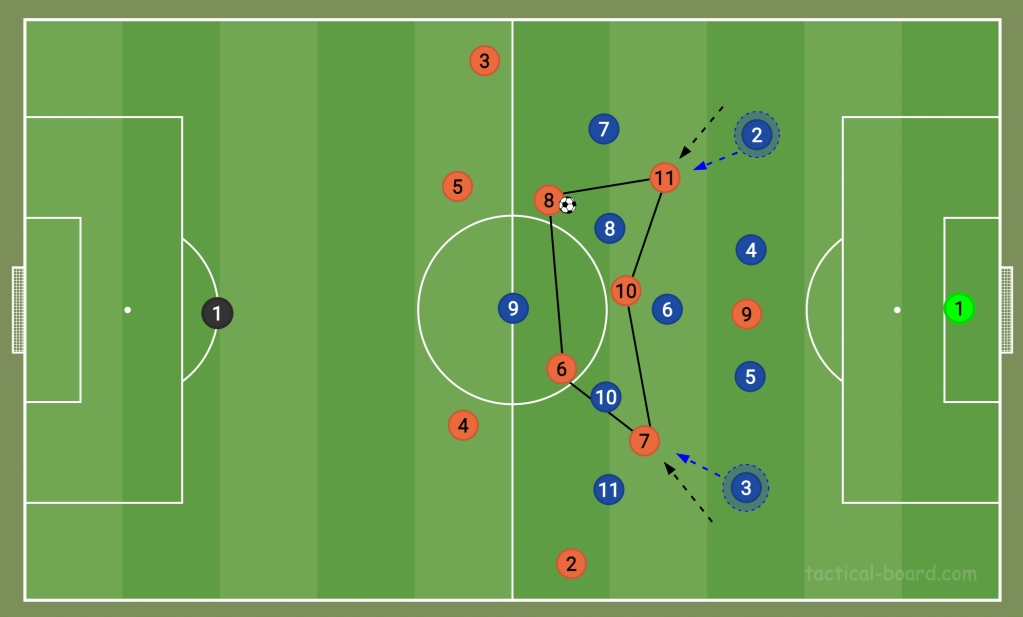
There’s another reason pinning is important here, too. With the current trend of packing the midfield to create central overloads and control possession, teams whose wingers drop into the middle encounter difficulties. The opposing full-backs can simply follow them without leaving someone unmarked out wide. Therefore, touchline wingers keep defences pinned back, allowing inverted full-backs to create this midfield overload instead.
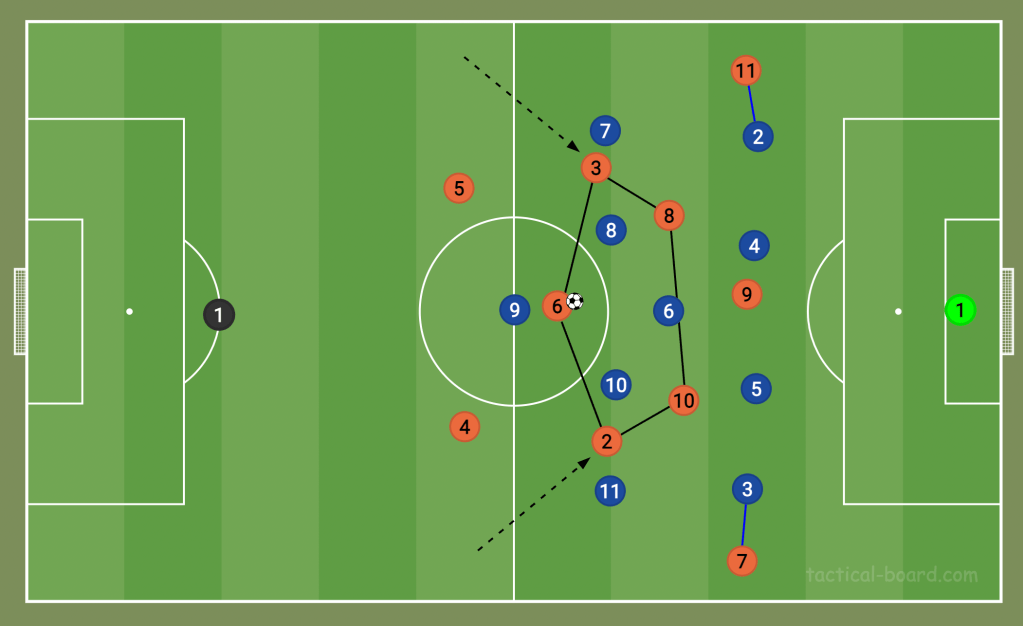
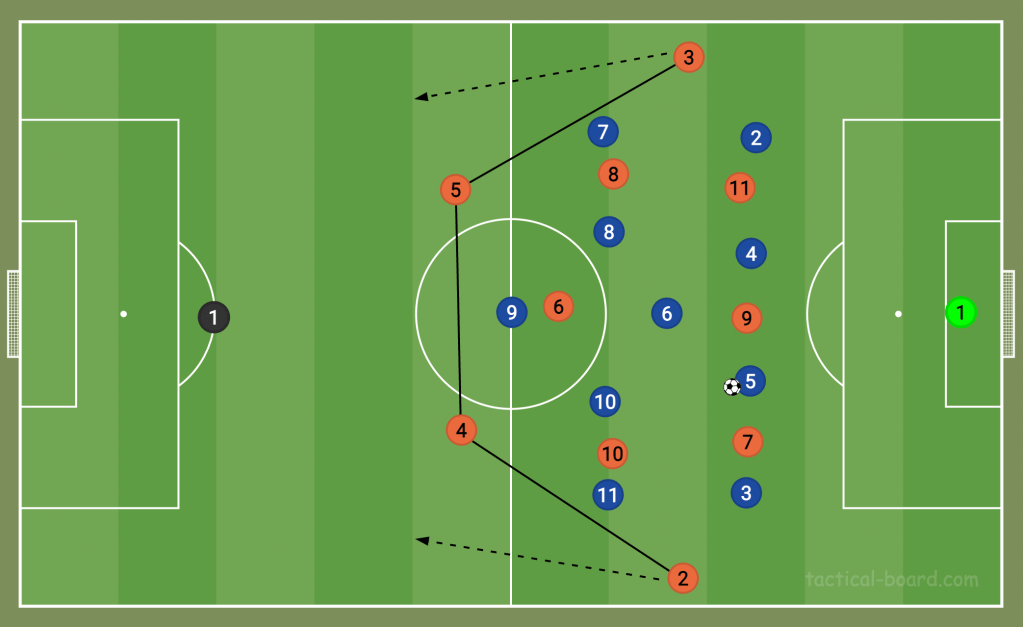
The development of ball-playing centre-backs has reached a point where they can now perform many midfield and full-back functions, like we’ve seen from John Stones in 2023. There are enough of them around for their services to be universally employed in different roles. Within the 3-box-3, the back-three can be made up entirely of centre-backs without the need for wing-backs at all.
Teams who play a back-three are no longer an exception to the dying modern full-back matter either. Formations are more fluid now, and seamless changes are expected of most teams between phases of play now. For example, a team who appear at first glance to be set up in a 3-4-3 shape might, in fact, be deploying a winger at wing-back and a full-back at centre-back, allowing them to morph into a lop-sided 4-2-3-1 in the middle third.
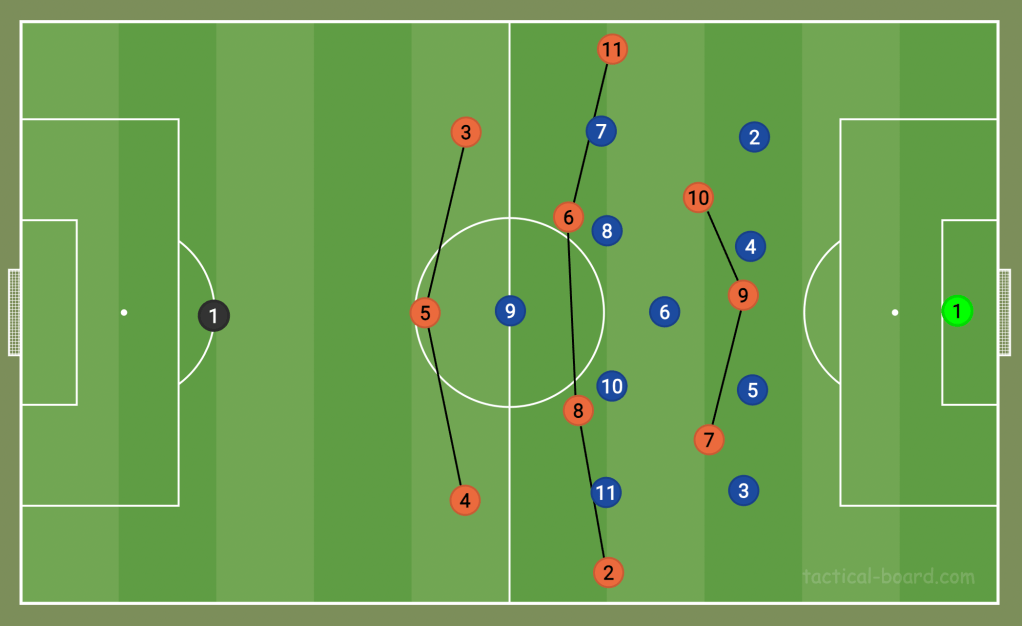
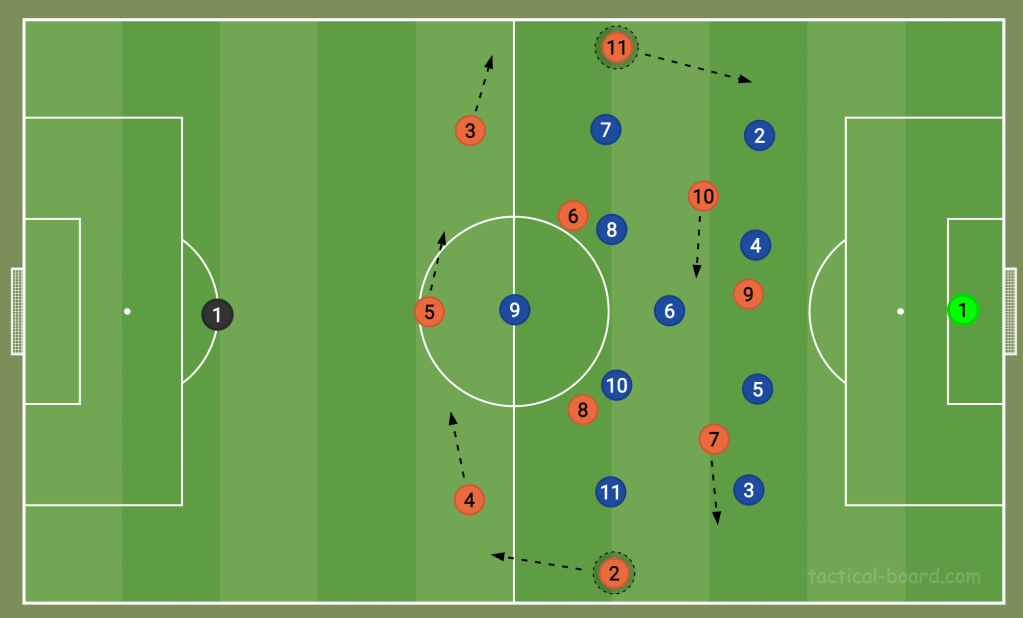
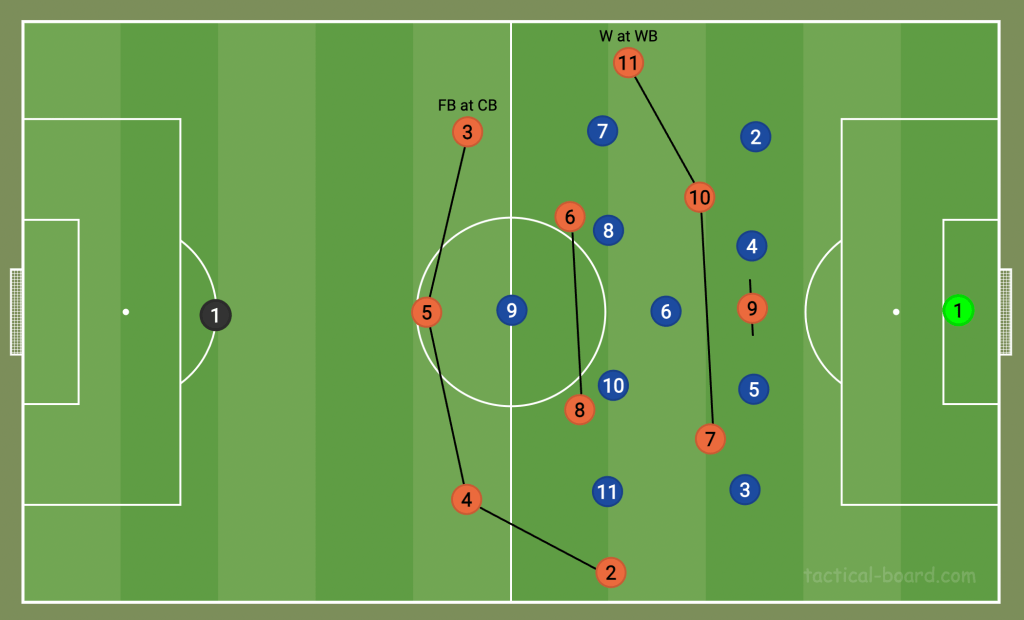
The managerial desire to be more fluid and structurally versatile makes the ‘modern full-back’ seem one-dimensional. If they can’t offer their team the ability to invert, underlap, or tuck in as a centre-back, they’re probably not particularly useful anymore.

